


About
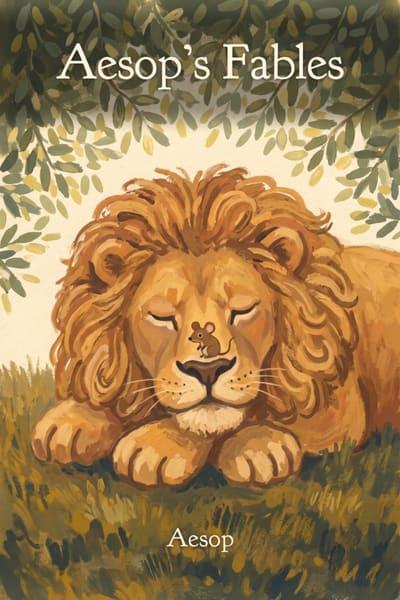
Aesop's Fables collects terse, epigrammatic tales in which beasts, birds and household objects stand in for human characters to teach practical morals. The tone is economical, ironic and often wry, with translators' clarity and Chesterton's interpretive introduction giving the ancient material modern emphasis. This edition’s combination of sharp aphorisms and emblematic imagery makes the collection a perennial primer in ethical reasoning and a cornerstone of world folklore.
Theme
Anthropomorphism as moral shorthand: animals and objects distil human virtues and vices into memorable ethical lessons; critique of power and pretense: superiority, hypocrisy and the limits of authority are repeatedly exposed; prudence versus folly: cunning, moderation and practical wisdom often outmaneuver brute strength and pride; oral tradition and pedagogy: brief, repeatable narratives transmit communal wisdom across generations.
Setting
A broadly Mediterranean, rural and civic world — pastures, farmyards, forests, rivers, market places, courts and seafaring coasts — in which animals and everyday objects occupy symbolic social roles. Settings are minimal and emblematic rather than geographically specific: domestic interiors, village commons and natural landscapes function as stages for moral encounter, while occasional references to gods and rulers place the tales within a classical cultural horizon.
Historical Content
The fables originate in the Archaic Greek world (circa 6th century BCE), a social environment of city‑states, slavery, rural economies and active contact across the Mediterranean and Near East; they reflect oral storytelling, popular moral pedagogy, and a cultural habit of using myth and animal symbolism to critique status, power and human folly. The collection was transmitted and reshaped through classical, medieval and Renaissance receptions (e.g., La Fontaine) and in this edition is presented within early 20th‑century editorial and illustrative practices.