


About
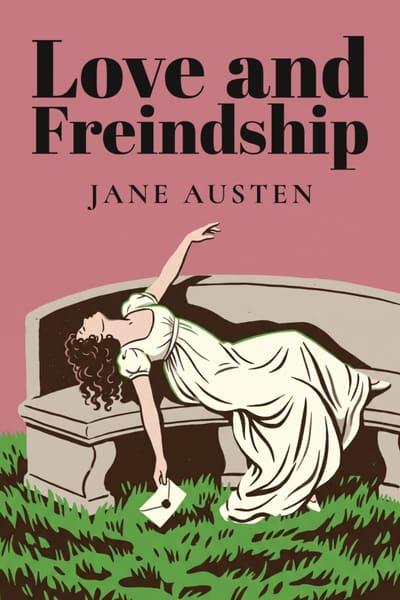
Presented as a string of wildly earnest letters, Love and Freindship recounts the excessive loves, misadventures and social manoeuvres of young women and their suitors in a tone that parodies the very novels it imitates. The prose delights in melodramatic hyperbole and comic moralizing, alternating sham gravitas with pointed absurdity. Distinctive as Jane Austen's youthful juvenilia, the collection registers both affectionate mimicry of late‑18th‑century sentimental fiction and an early wit that anticipates her later realism.
Theme
1) A satirical interrogation of sentimental and epistolary novel conventions, exposing their excesses through exaggeration and irony. 2) The gendered economy of marriage and reputation: how women’s prospects, behaviour and value are mediated by family, rank and social expectation. 3) The instability between professed feeling and self‑interest — friendships, declarations of love and moralizing rhetoric are repeatedly shown to be performative or easily betrayed.
Setting
Primarily rural and provincial England (notably a romantic Vale in South Wales, country mansions such as Lesley Castle, and provincial towns like Bristol) with frequent reference to urban centres and cultural sites (Bath, London) and continental touches (a convent education in France, Iberian and Italian parentage). Socially the world is that of the landed gentry and their households — a compact universe of aunts, sisters, servants and suitors governed by status, etiquette and the imperatives of marriage.
Historical Content
Composed in the late Georgian period, these pieces respond to the vogue for epistolary and sentimental novels (Richardson, Rousseau, and Gothic melodrama) and to contemporary anxieties about female conduct, reputation and the marriage market. The text trades on specific social markers — Bath, London amusements, convent educations on the continent, landed gentry and baronets, a culture of patronage and a growing print marketplace — and uses parody to expose how those institutions and literary fashions shape women’s behaviour and public identity.