


About
A nameless retired civil servant delivers a bitter, confessional monologue from his cramped Petersburg lodgings, cataloguing spite, humiliation and a paralysis of will. The prose is caustic, digressive and intellectually combative, alternately self-mocking and furious. The work stages a psychological assault on mid‑19th‑century rationalist optimism and remains a landmark of psychological realism and existential critique.
Theme
The corrosion of agency by excessive self‑consciousness and intellectualization (how acute consciousness produces paralysis and self‑sabotage). An assault on utopian/rationalist accounts of human nature and the limits of utilitarianism (the irrational, vengeful, and proud elements that escape ‘scientific’ models). The dynamics of humiliation, revenge and the desire to dominate in intimate relationships, showing how cruelty and self‑loathing are intertwined. The gap between self‑image and public persona — the performative, ironic voice that reveals the instability of identity and moral responsibility.
Setting
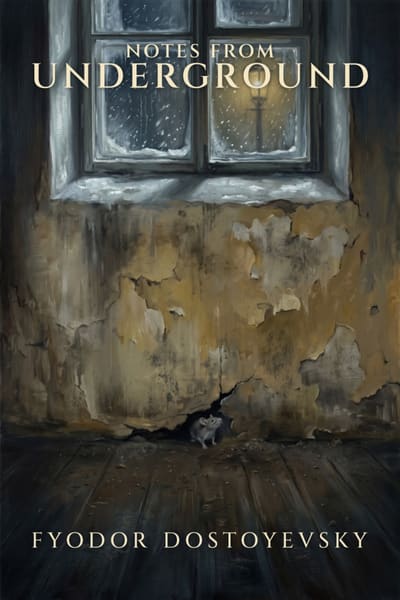
Primarily urban St. Petersburg in the mid‑19th century: narrow lodging rooms and a self‑enclosed garret (‘the Underground’), shabby apartments, taverns and snow‑lit streets; social settings include the offices and barrack rooms of low‑rank officials, boardinghouses and small social dinners. The physical crampedness mirrors the narrator’s social marginality — a minor ex‑official living on a small legacy with an ill‑tempered servant — and the city functions as a theatrical, ‘intentional’ backdrop for his isolation, envy and moral introspection.
Historical Content
Mid‑19th‑century Imperial Russia: the story is rooted in the Petersburg bureaucracy and the social aftershocks of reforms such as the 1861 Emancipation of the Serfs. It answers contemporary debates within the Russian intelligentsia — debates about rational egoism, utilitarianism, nihilism and the possibility of a ‘scientific’ model of human nature — and exposes tensions between petty officialdom, the landed gentry, and a growing urban, theoretical culture. The narrator’s world is shaped by Tsarist social hierarchies, the culture of service and promotion, and the clash between Westernizing ideological currents and Russian social realities.