


About
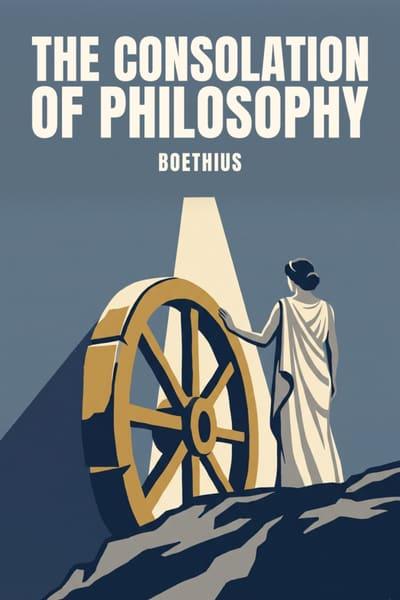
Framed as a prison dialogue, The Consolation of Philosophy stages Boethius' desperate search for meaning after his sudden fall from power as the figure of Philosophy appears to counsel him. The tone is elegiac, didactic and rhetorically polished, alternating clear Latinate prose with lyric verse. Its distinctive fusion of classical argument, personal lament, and theological reflection establishes a sustained meditation on fortune, happiness and the human capacity for inward freedom.
Theme
The instability of worldly Fortune and the critique of temporal honours; philosophy as consolatory therapy that restores reason and self-mastery; the nature of the supreme good and human flourishing as participation in the divine unity; the tension and attempted reconciliation between human free will and divine foreknowledge/providence.
Setting
Primarily the interior of a Roman aristocrat's prison cell in northern Italy (Pavia) during the reign of Theodoric, intercut with allegorical, interiorized locations where Philosophy appears as a divine woman. Socially the book is set between the Roman senatorial elite and the Ostrogothic court, in a milieu of political suspicion, lost honors, and the learned circles that preserved classical learning.
Historical Content
Composed in Ostrogothic Italy under King Theodoric (late 5th–early 6th century), the work reflects the collapse of late Roman senatorial influence, the precarious position of Roman aristocrats serving barbarian rulers, and the cultural transition from classical pagan learning to a Christianized intellectual world. Boethius, a Roman consul and magister officiorum who was imprisoned on charges of treason, writes amid court intrigue, declining civic institutions, and the transmission of Greek philosophy into the Latin scholastic tradition that would shape medieval thought.