


About
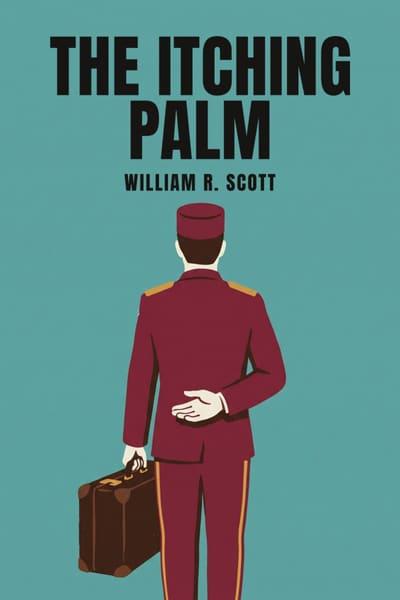
William R. Scott subjects the American habit of tipping to a trenchant Progressive‑Era critique, arguing that gratuities foster 'flunkyism' and corrode democratic self‑respect while quietly enriching employers. His prose mixes moral indignation, statistical detail and polemic—part social science, part manifesto—mapping tipping from hotel lobbies and Pullman cars to courts and legislatures. The book is distinctive for pairing historical illustration and economic calculation with concrete legal and organizational remedies aimed at abolishing the custom.
Theme
1) The corrosion of democratic self‑respect by entrenched servility: tipping as 'flunkyism' that undermines republican equality. 2) Economic distortion and injustice: gratuities create double payments, depress wages, and permit employers to profit by offloading labor costs. 3) Cultural psychology and social contagion: vanity, convention, and imported European norms perpetuate an unethical habit. 4) Institutional reform as the remedy: legal bans, unionization, public organization and changes in employer practices to restore fair wages and civic dignity.
Setting
Primarily urban America in the 1910s: hotel dining rooms, Pullman sleeping cars, barber shops, restaurants, apartment houses, theatres and government offices in major cities such as New York, Chicago, Philadelphia and Boston. The social environment is a stratified service economy—employers, immigrant European and native American servitors, and a consumer public—against a backdrop of state legislatures, courts and emerging national labor and reform organizations.
Historical Content
The book is rooted in the United States' Progressive Era (early 1910s): rapid urbanization and mass tourism, the rise of a large service workforce (census figures of 1910), increasing immigration of European servitors, growing corporate hotel and railroad interests (Pullman, sleeping cars), active labor organizing (AFL/Samuel Gompers), and a reformist climate that produced state legislative attempts (1915) to regulate or ban tipping. Debates about personal liberty, municipal and state regulation, anti‑graft reforms, temperance and suffrage form the broader socio‑political frame.