
About
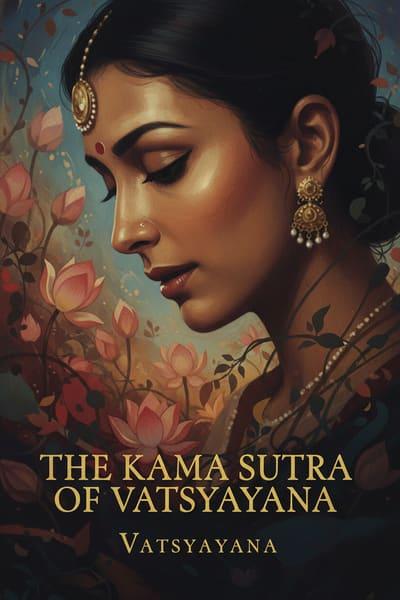
The Kama Sutra of Vatsyayana presents an encyclopedic, aphoristic manual of love, desire, and household life from classical India, treating erotic technique alongside courtship, marriage and social conduct. The prose moves between pragmatic, didactic lists and occasional poetic description, maintaining a dispassionate, classificatory tone even when treating intimate subjects. Its distinctiveness lies in combining systematic sexual instruction with a broader codification of domestic ethics and social ritual, offering both a practical handbook and a cultural archive of ancient Indian norms.
Theme
(1) The regulation of desire within a tripartite moral framework (Dharma, Artha, Kama): desire is treated as a legitimate human aim to be managed, ritualised and balanced with duty and wealth. (2) Eroticism as social technology and taxonomy: sexual behaviour is systematised into types, techniques and occasions, making intimate knowledge a genre of practical expertise. (3) Gendered agency and marital politics: the text negotiates women’s roles, household responsibilities, forms of marriage and the power relations of polygyny, courtship and domestic authority.
Setting
Primarily set in the Indian subcontinent’s urban and courtly milieus and domestic interiors — households, gardens, pleasure-groves, temples and royal harems — across a society organised by varna and household rites. The text addresses householder life (men of wealth, Brahmans, merchants), courtesans and wives, and situates erotic practice within ritual, seasonal and spatial details (beds, baths, gardens, sacrificial fire), giving the settings both practical and symbolic weight.
Historical Content
Composed in late classical India (traditionally dated between the 1st and 6th centuries CE), the work emerges from a Brahmanical, courtly and merchant culture in which the triad of Dharma (duty/virtue), Artha (wealth) and Kama (desire) structures social life. It reflects the ritual forms, marriage types (including Gandharva unions), household-sacrificial practice, and hierarchies of caste and gender of the period; the text was later transmitted, commented upon, and controversially translated in the 19th century during British colonial encounter with Sanskrit literature.