

About
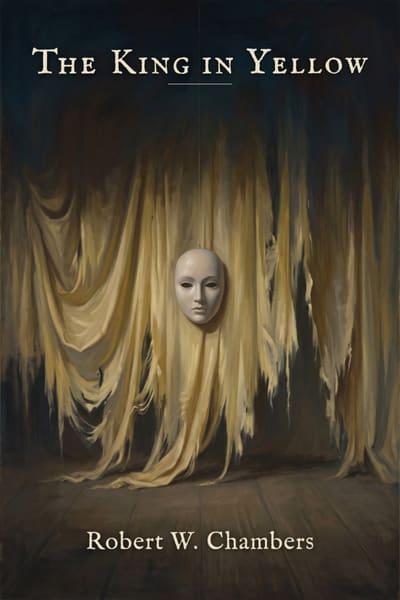
A linked collection of eerie, fin-de-siècle tales in which a mysterious play called "The King in Yellow" infects minds and unravels lives. Chambers writes in a languid, symbolist prose that slides between urbane salon gossip, bohemian studio scenes and grotesque flashes of cosmic dread. The book juxtaposes everyday social realism with dream-haunted myth (Carcosa, the Yellow Sign), making it a distinctive early example of modern weird fiction and a formative influence on twentieth-century supernatural literature.
Theme
1) The corrosive relationship between art and psyche: aesthetic experience and forbidden texts (the play) can destabilise identity and sanity. 2) The porous boundary between reality and fiction: narrative worlds, mythic cities and theatrical masks blur objective truth and personal history. 3) Fin-de-siècle social anxiety and decay: urban renewal, imperialism, nationalism and state authority are depicted alongside moral complacency and social reform. 4) The contagious power of myth and forbidden knowledge: symbols and stories operate like memetic pathogens that spread dread and transgression across classes and borders.
Setting
Primarily Parisian and New York urban environments of the late nineteenth/early twentieth century — Latin Quarter garrets, artists' studios, shabby boarding-houses, theatres and city squares (Washington Square features in an imagined near-future civic landscape). These realist backdrops are repeatedly pierced by an otherworldly, mythic geography — the dream-city of Carcosa, lakes and twin suns — which functions as a symbolic, contagious space that undermines the social world.
Historical Content
Written and first published in 1895, the book emerges from the fin-de-siècle West: the Gilded Age and early Progressive Era in the United States and the Decadent/Symbolist milieu of Europe. Its pages register contemporary anxieties about urban redevelopment, imperial expansion and militarism, immigration and nativist legislation, the professionalization of arts and diplomacy, and new public debates about suicide and state power; at the same time it draws on European aestheticism, occult revivalism and the literature of decadence to dramatise cultural malaise and moral unease.