
About
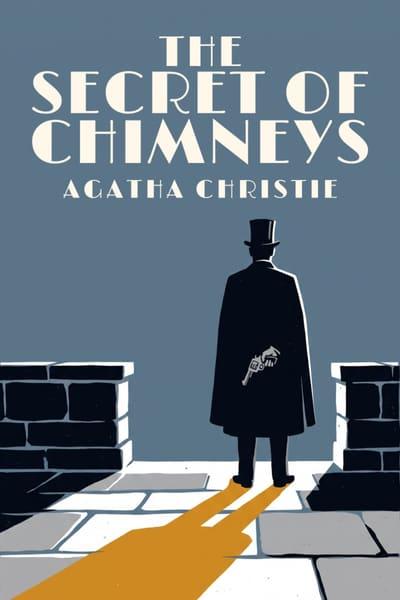
When the brash adventurer Anthony Cade is drawn to Chimneys, an English country estate, a seemingly isolated death unravels into a tangle of diplomatic secrets, Balkan conspiracies and old family intrigues. Christie’s prose is brisk, wry and fast‑moving, alternating light social comedy with tightly controlled suspense. The novel marries a classic country‑house murder to international political plotting, notable for its mixture of caperish humour and procedural detection that marks an early experiment in Christie’s range.
Theme
1) The collision of private crime and international politics: personal violence at Chimneys is inseparable from Balkan coups and state secrets. 2) Social performance and class privilege: manners, entertainments and the country‑house milieu mask ambition, vanity and hidden loyalties. 3) Identity and deception: disguises, false names and unreliable appearances drive both comic misunderstandings and investigative breakthroughs.
Setting
Primarily the grand English country house Chimneys and its grounds—formal rooms, the schoolroom, terraces and a lake—set against interwar London and brief continental locations (Paris/Dinard) and colonial references (southern Africa). The social environment is upper‑class Britain: aristocratic hosts, political salons, governesses and tourists, intersecting with diplomats, foreign exiles from a fictional Balkan state (Herzoslovakia) and Scotland Yard officers, producing a world of formal etiquette, leisure and concealed political danger.
Historical Content
Set and written in the immediate post–World War I, interwar Britain, the novel reflects 1920s concerns: the persistence of an imperious aristocratic world, the British habit of continental travel and colonial connections (references to Bulawayo and Paris), and the instability of small Balkan states after the Great War (assassinations, revolutions and contested thrones). It draws on contemporary anxieties about international intrigue and espionage, the public role of Scotland Yard and the rise of the detective story in popular culture, while also depicting the social rituals and class hierarchies of the between‑wars upper classes.