


About
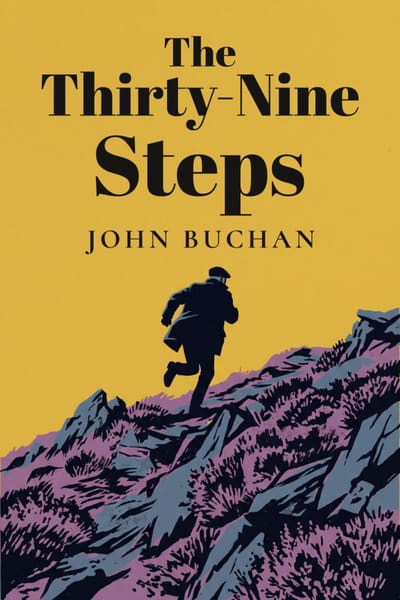
A taut, fast-moving espionage adventure in which an unremarkable London lodger is drawn into a continental plot that can only be stopped by a single, resourceful man on the run. John Buchan’s prose is brisk, wry and panoramic, shifting from clubland evenings to moorland hideouts with cinematic ease. The novel blends breathless action with an urgent political charge—an early model of the modern spy-thriller that makes international intrigue feel immediate and personal.
Theme
Espionage and the manipulation of public truth: covert networks engineer events to reshape geopolitics and manufacture consent. Individual resourcefulness and identity under duress: a lone man must improvise, assume disguises and rely on improvisation to survive and act. Duty, patriotism and the moral ambiguity of preventive action: the novel examines personal loyalty and the lengths one will go to avert national catastrophe, set against anxieties about foreign influence and internal betrayal.
Setting
Primarily early 20th-century Britain: metropolitan London (West End lodgings, clubs, music halls and diplomatic drawing-rooms) and the wild British countryside—moorland farms, plantations and coastal approaches—where fugitives hide and pursue one another. The action also pivots on the shadowy backdrop of Continental and Balkan politics, international salons and espionage networks that reach into Britain’s social and governmental circles.
Historical Content
The story unfolds in the immediate pre-World War I moment when the Balkan crises and Great Power rivalries (Berlin and Vienna versus Russia) convulsed European diplomacy. The narrative presumes Edwardian/early 1910s British society—club culture, imperial confidence and anxiety about foreign conspiracies—and reflects contemporary concerns about clandestine networks, propaganda and the way assassination or manufactured incidents might precipitate large-scale war.