
About
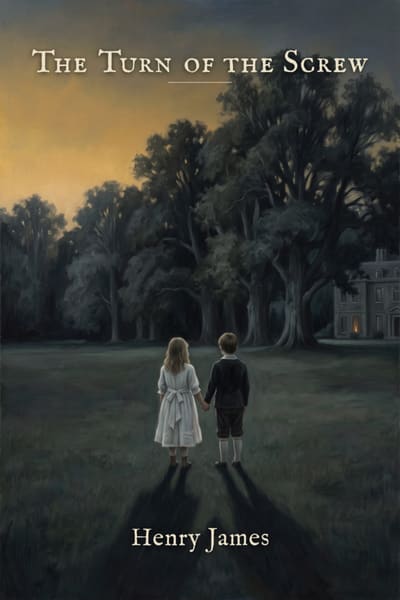
A young, inexperienced governess is hired to care for two singularly charming children at an isolated country estate and soon becomes convinced that malevolent apparitions are returning to possess them. Henry James writes in a tense, suggestive prose that privileges interior observation and rhetorical suspense over explicit explanation. The novel keeps its dread tightly relayed through a single consciousness, making its lasting power the unbearable ambiguity between supernatural invasion and psychological unraveling.
Theme
The instability of perception and the unreliability of a single narrator (the tale is filtered through the governess’s anguished consciousness); the jeopardy and ambiguous corruption of childhood—how innocence can be imagined, seduced, or misread as culpable; the burdens and power dynamics of caretaking and authority within rigid class and gender hierarchies; and the tension between supernatural explanation and psychological diagnosis as competing ways to account for trauma and evil.
Setting
Primarily the remote country house Bly in the English countryside—an old family estate with lawns, a lake, a tower and intimate domestic rooms—relegated to seasonal rhythms that accentuate isolation. Socially the action circles a lone, wealthy bachelor guardian, his governess (a young woman from a parsonage background), the devoted housekeeper Mrs. Grose and the household servants; the house’s polite facades and gardens become claustrophobic stages for moral and psychological confrontation.
Historical Content
Set and written in late Victorian Britain, the narrative reflects fin-de-siècle preoccupations: the precarious social role of the governess, strict codes of gender and class, and anxieties about degeneration, sexuality, and moral guardianship. References to family ties lost in India and to genteel household hierarchies evoke the British imperial world and the domestic social order that frames the story; simultaneously the period's interest in spiritualism and nascent psychological thought informs the text's focus on uncanny apparitions and inward doubt.