
About
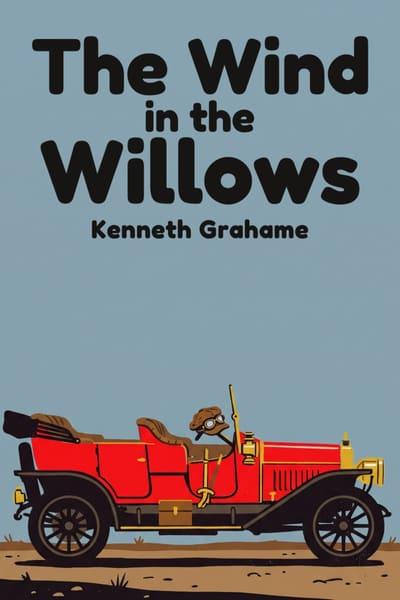
When the homebound Mole is lured to the river by the world-wise Rat, the two friends—with the reclusive Badger and the impulsive, motor-obsessed Toad—move between bucolic idylls and comic, sometimes perilous, adventures. Kenneth Grahame’s prose is lyrical, gently ironic and steeped in pastoral detail, shifting from whimsical comedy to moments of solemn wonder. The novel stands out for its anthropomorphic portrait of English country life, its celebration of friendship and home, and its elegiac critique of modern hurry and mechanisation.
Theme
1) The sustaining power of friendship and communal responsibility in remedying individual folly; 2) A nostalgic defence of pastoral life and slow pleasures against technological modernity and reckless consumption; 3) Personal irresponsibility, punishment and the possibility of redemption through humility and social reintegration; 4) Nature as a source of spiritual awe and restorative mystery, alternating with everyday humour.
Setting
An unnamed English riverside and its adjacent Wild Wood and countryside: sunlit meadows, backwaters, tow-paths, a grey-gabled mill, and the grand country house Toad Hall, plus occasional town institutions (gaol, police). The world is rural and semi-mythic yet recognisably Edwardian — a social landscape populated by anthropomorphic animals who embody English social types (gentlemanly river-bankers, reclusive woodland dwellers, the landed householder) and whose environments symbolise repose, belonging and the threat of disruptive modern forces.
Historical Content
Written and set against the backdrop of late-Victorian into Edwardian Britain, the book reflects the socio-cultural aftershocks of rapid industrialisation, urban growth and the new leisure culture of the middle classes. It responds to the motoring craze and mechanised transport (Toad’s carmania), the rising reach of policing and legal institutions, and a widespread pastoral nostalgia among urban readers for the diminishing rural world. The work also belongs to the ‘Golden Age’ of children’s literature and participates in contemporary currents that valorise bucolic simplicity, social duty among gentlemen, and a gentle critique of modernity’s excesses.