
About
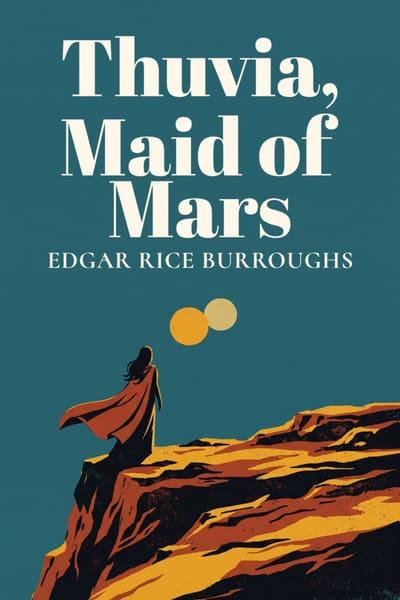
When Carthoris of Helium rescues the proud Princess Thuvia, he is drawn into a maze of abduction, palace intrigue and peril across the dying red world of Barsoom. Edgar Rice Burroughs’ prose is brisk, pulpy and vividly descriptive, alternating courtly romance with relentless swashbuckling action and eerie planetary detail. The novel extends the Barsoom saga by fusing chivalric adventure, speculative worldbuilding, and a melancholic vision of a world in decline.
Theme
1) The demands of chivalric honor and martial duty: characters repeatedly subordinate personal safety to loyalty, combat and the codes of warrior nobility. 2) Romantic obligation versus desire: love, betrothal and rivalry drive choices that are as political as they are personal. 3) Civilizational decline and memory: Barsoom’s ruined cities, ghostly populations and dying landscapes dramatize the slow collapse of once‑grand cultures. 4) The tension between superstition/illusion and practical courage: scenes of religious fakery, manufactured gods and imagined crowds are countered by clear‑eyed heroism and resourceful action.
Setting
Barsoom (a dying, thin‑atmosphered Mars): a tapestry of crimson deserts, great canals and isolated city‑states — Helium, Ptarth, Kaol, Lothar — ruled by warrior‑kings (jeddaks) and peopled by distinct races (red men, green men, colossal beasts such as banths). Action alternates between opulent royal gardens and marble palace interiors, haunted/ghostly urban arenas, and open plains where aerial craft and primitive arms coexist; social life is aristocratic and militarized, structured by honor codes, patronage, slavery and ritualized violence.
Historical Content
Written and first circulated in the era of American pulp magazines and serialized popular fiction, the book reflects early 20th‑century cultural currents: an appetite for imperial adventure and frontier heroism, fascination with speculative astronomy (Mars as a habitable, ancient world), and tropes of racial hierarchy and masculine honor shaped by Social Darwinist and colonial discourse. Its worldview is informed by the American frontier myth (John Carter’s Virginian lineage and martial code), the serialized commercial pressures of the pulps, and broader pre‑World War I anxieties about modernity and civilizational decay.