


About
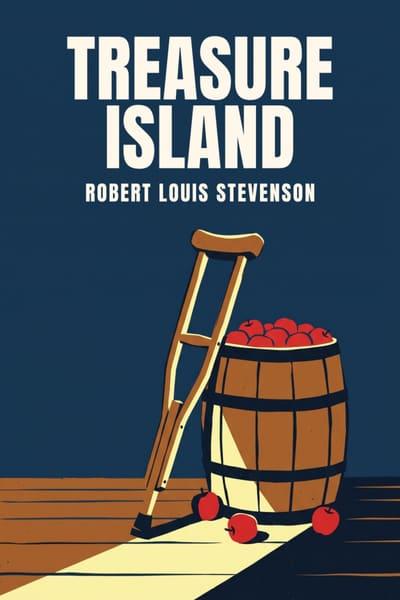
A country innkeeper’s son, Jim Hawkins, comes into possession of a treasure map and is swept into a violent, sun-blinded voyage in search of buried gold; Robert Louis Stevenson’s prose is fleet, vivid and laced with sea-song, balancing boyish wonder with hard-edged nautical realism. The narrative hums with suspense and salty humor even as it stages betrayals, courage and the uneasy charm of its great antagonist. Treasure Island establishes the modern pirate romance and endures for its swift storytelling and morally ambivalent characters.
Theme
Initiation and moral formation of youth: Jim Hawkins’ journey dramatizes coming‑of‑age through exposure to violence, responsibility and hard choices. The corrosive effect of greed: the quest for buried treasure repeatedly brings betrayal, death and moral decay. Ambiguity of authority and loyalty: leadership, charisma and treachery coexist in figures like Long John Silver, forcing characters to negotiate blurred moral allegiances. Civilization versus lawlessness at sea: naval discipline, property and legal order confront mutiny, piracy and the brutal economics of empire.
Setting
Begins on the windswept English coast at the Admiral Benbow inn and moves quickly to port (Bristol) and the merchant brig HISPANIOLA, culminating on an isolated, pine‑rimmed Caribbean isle with beaches, caves, a two‑pointed hill and a fortified stockade. Socially the book moves among rural gentry (the squire), a level-headed surgeon, merchant interests, ship’s officers, sailors and hardened buccaneers; the physical isolation of the island intensifies the clash between naval discipline and pirate lawlessness.
Historical Content
Written and first published in the late Victorian 1880s but set in the 18th-century ‘Age of Sail’ and the Golden Age of Piracy (roughly early-to-mid 1700s), the novel draws on Britain’s maritime culture, colonial commerce and naval traditions. It channels Victorian anxieties and enthusiasms about empire, authority and social order even as it nostalgically recasts earlier seafaring life: privateering, transatlantic trade, isolated Caribbean coves and the lawlessness of the Spanish Main provide the backdrop for class tensions, masculine codes of honour, and the era’s fascination with exploration and riches.