

About
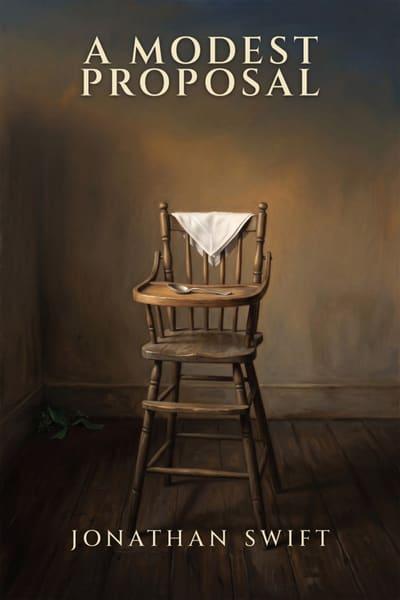
A Modest Proposal presents a coolly reasoned pamphlet voice that ostensibly offers a pragmatic solution to Ireland’s poverty: the sale and consumption of poor children. Swift’s tone is razor‑sharp, deadpan and grotesquely logical, turning the language of political economy and charity into a weapon of irony. The essay’s shock tactics expose the moral bankruptcy of ruling elites and make it a landmark of satirical protest in English letters.
Theme
The dehumanizing application of economic rationalism to human lives; the colonial and class exploitation of Irish Catholics by absentee landlords and English policy; the moral hypocrisy and indifference of elites toward systemic suffering; the use of savage irony to expose the brutality inherent in supposedly ‘practical’ reforms.
Setting
Urban and rural Ireland — principally Dublin and the surrounding countryside — depicted through streets, parish registers, cabins and market places where beggars, cottagers and tenant families confront famine, squalor and landlord exactions. Socially the world is stratified between impoverished Catholic peasantry, merchants and Anglican landlords, with taverns, shambles and country estates serving as symbolic sites of commerce, appetite and exploitation.
Historical Content
Written and published amid early Georgian Britain’s domination of Ireland (1720s–1730s), the essay responds to acute rural poverty, punitive penal laws against Catholics, absentee Protestant landlords, restrictive trade policies, and contemporary ‘projector’ schemes for social improvement. It parodies the era’s emergent political‑economic discourse and pamphlet culture, intervening in debates about relief, charity and the responsibilities of English authorities toward the Irish poor.