
About
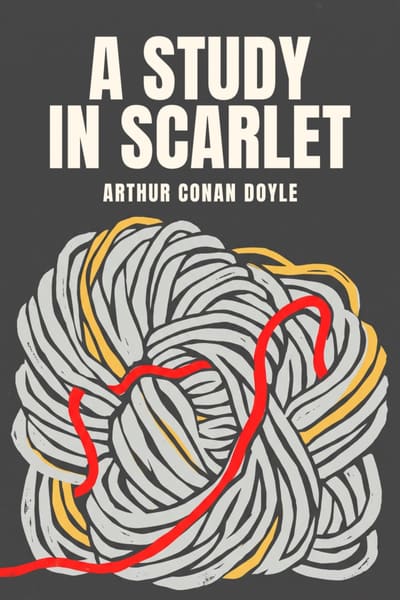
A Study in Scarlet opens with the injured army surgeon Dr. John H. Watson encountering the singularly observant Sherlock Holmes; together they are drawn into a seemingly inexplicable murder that yields to Holmes’s cool, scientific method. Doyle’s prose alternates lucid, clinical reportage and stark, lyrical scenes of the American frontier, moving from fogbound London to the arid wastes of the Great Alkali Plain. The novel is notable both as the first appearance of Sherlock Holmes and as an early, influential demonstration of forensic deduction that helped define modern detective fiction.
Theme
The power of rational, scientific deduction to penetrate apparent mystery and disorder; the collision between institutional law and private or communal vengeance—how sectarian zeal and frontier extrajudicial justice produce moral complexity; and the personal consequences of empire and displacement—veteran trauma, social reintegration, and the forging of companionship (Watson and Holmes) in the wake of war and exile.
Setting
Primarily late-19th-century London—medical hospitals, chemical laboratories, cheap lodgings and the procedural world of Scotland Yard—evoking an urban, bureaucratic, and scientific atmosphere. The novel’s frame is interrupted by an extended flashback to the mid-19th-century American West: the Great Alkali Plain and the Sierra Blanco, a bleak emigrant caravan route and early Mormon settlements in the Utah region, where frontier desolation, communal settlements, and vigilant justice dominate the social landscape.
Historical Content
Set against the backdrop of late Victorian Britain, the novel reflects the era’s professionalizing sciences (forensic chemistry, systematic police work) and imperial military experience—Watson’s memoirs invoke the Second Anglo-Afghan War and its medical aftermath. The second half reconstructs mid‑19th‑century westward North American migration (the Mormon exodus to the Salt Lake Valley, 1846–47) and dramatizes conflicts within sectarian frontier communities, including extra‑legal reprisals and communal discipline. Social markers—class-conscious London lodgings, army surgeons’ careers, the rising authority of forensic experts, and the lawlessness and survivalist codes of the American frontier—shape the narrative’s tensions.