


About
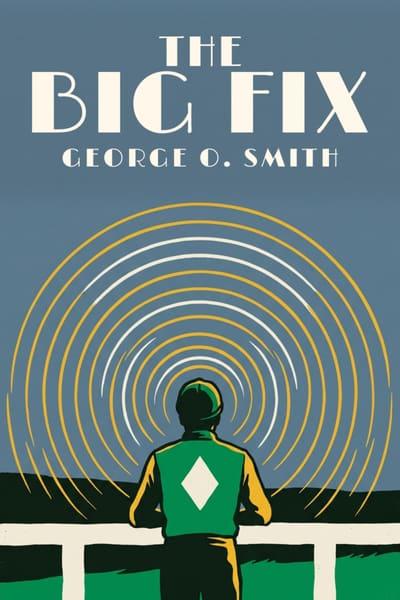
A hard-boiled, tongue-in-cheek thriller in which a professional fixer with telepathic talents is hired to ensure a preordained finish at the Kentucky Derby — in a society where mind-reading and psi-powers have reshaped law, gambling and everyday life. The narration blends noir wisecracks, brisk plotting and speculative plausibility as the protagonist navigates police scrutiny, organized psi-crime and high-stakes deception. The book is notable for its deft fusion of detective-caper mechanics with a fully imagined social logic of extrasensory perception.
Theme
1) The institutional consequences of a new human technology: how widespread psi reorganizes law, commerce and crime rather than eliminating deceit. 2) Moral ambiguity and professional ethics in an environment where mental privacy can be bought, shielded or weaponized. 3) The persistence of human ingenuity and opportunism: criminal and entrepreneurial adaptation to new rules exemplified by fixers, gang bosses and regulators. 4) Reputation, legacy and masculine honor as personal stakes in a world where family histories and inherited talents shape social standing.
Setting
Primarily urban Midwestern America (notably Chicago) and the Kentucky racetrack circuit; interiors of smoky apartments, gambling parlors and police boxes contrast with the manicured but legally fraught Derby grounds. The world combines recognizable mid‑century city life (bars, poker games, police sergeants) with speculative accretions — mindwardens, sky‑buggies and pervasive telepathic ‘noise’ — producing a social landscape where class, reputation and lineage (track operators, bookmakers, and organized figures like Joseph Barcelona) determine access to power and protection.
Historical Content
The story unfolds in a near‑future/alternate mid‑20th‑century United States where extrasensory perception (telepathy, perception, manipulation) has become widespread and institutionalized. The narrative is shaped by postwar urban anxieties — regulatory redefinitions (gambling recast as corporate transactions), police adaptation to new evidence regimes, entrepreneurial and criminal exploitation of novel faculties, and a culture of surveillance and countermeasures among private operators and organized bosses.