
About
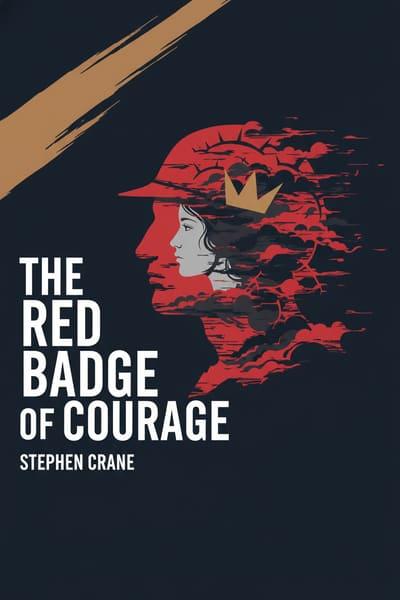
A young recruit, Henry Fleming, enlists with romantic visions of glory and is thrust into the sensory chaos of a Civil War campaign, where fear, shame, and bravado collide. Stephen Crane’s lean, impressionistic prose renders battle as a hallucinatory, modern experience and keeps the narrative tightly focused on the soldier’s interior crisis. The novel interrogates the making of courage and the collapse of heroic illusion, notable for its psychological realism and its early, unsentimental portrayal of modern warfare.
Theme
1) The construction and disintegration of courage: how public expectations, rumor, and conscience shape a soldier’s selfhood. 2) The collision between romantic illusions of war and its brutal, sensory reality, exposing heroism as ambiguous and contingent. 3) Shame, reputation, and peer judgment as forces that govern behavior and identity within military communities. 4) Coming of age through trauma: an individual’s psychological passage from naïveté to a troubled, more realistic understanding of himself and society.
Setting
Primarily the Union army’s camps, roads, and wooded battlefields of a Civil War campaign—muddy plank roads, makeshift huts, fireside circles, and tangled thickets—intercut with the young protagonist’s rural home and small-town scenes before enlistment. The landscape is both physical (rivers, fences, forests, campfires) and social: a company of volunteer soldiers, junior officers, camp followers and local civilians whose gossip, drills, and hierarchies create the pressures that define the protagonist’s moral and psychological world.
Historical Content
The story is set during the American Civil War (circa 1861–1865) and was written in the context of late 19th-century American letters: the 1890s rise of literary realism and naturalism, a culture reconciling wartime memory during Reconstruction’s aftermath, and the growing influence of mass print media and popular rumor. Those forces shape the novel’s attention to ordinary volunteer soldiers, the social codes of masculine honor and shame, and an emergent modern sensibility that treats war as chaotic, sensory, and morally ambiguous rather than heroic.