
About
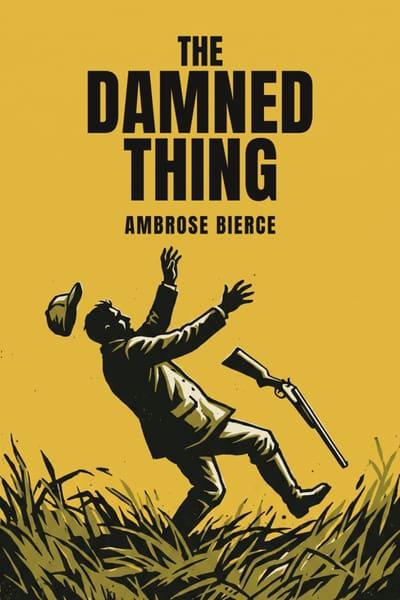
A coroner's inquest in a remote mountain cabin frames a narrator's account of a hunter's brutal, inexplicable death at the paw of an unseen entity. Bierce's prose is cool, forensic and darkly ironic, alternating sober reportage with flashes of scientific speculation and mounting terror. The story juxtaposes journalistic exactitude and gothic dread to ask how much of nature lies beyond human senses—and what that ignorance costs us.
Theme
The limits of human perception and the idea that scientific instruments and everyday senses can fail to detect real dangers; the collision between rational inquiry (forensic procedure, journalistic testimony, emerging scientific theory) and the persistence of the uncanny; the fragile authority of communal judgment when confronted with the inexplicable; language's inadequacy to render certain forms of violence or natural phenomena.
Setting
A sparsely populated mountain region of the American West: a hunter's cabin and its surrounding chaparral, wild‑oat flats, ridges and woods. The action alternates between the exposed, wind‑tossed outdoors—where the invisible threat manifests—and the cramped, lantern‑lit interior of a rural inquest room populated by farmers, a coroner and a city newspaperman, underscoring isolation, communal law, and the uneasy meeting of urban science and frontier experience.
Historical Content
Set against the backdrop of late 19th-century America, the story reflects the culture of the expanding western frontier—isolated homesteads, local coroners and juries—and the era's faith in empirical inquiry tempered by anxiety about rapid scientific discoveries (spectroscopy, nervous physiology) that challenged ordinary perception. It emerges from a social world shaped by post‑Civil War mobility, mass journalism and a growing public appetite for sensational accounts that blurred fact and fiction.