


About
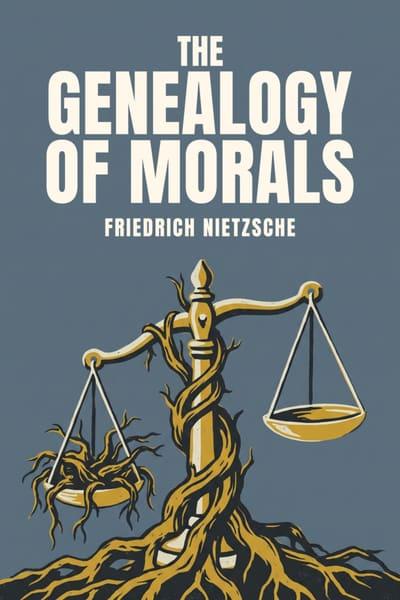
A biting philosophical polemic that traces the historical origins and practical value of our moral concepts, asking how “good,” “evil,” guilt and ascetic ideals came to command human life. Nietzsche writes in a terse, aphoristic, and fiercely rhetorical prose—equal parts forensic analysis and literary provocation—registering both contempt and urgent care for European culture. The book is distinctive for its genealogical method and for inaugurating a sustained revaluation of moral values that reshapes modern debates about religion, nihilism, and the psychology of conscience.
Theme
(1) A genealogical critique of moral concepts: interrogating the historical origins and functions of notions like “good” and “evil” rather than accepting them as given. (2) The psychology of guilt and ressentiment: how creditor–debtor metaphors, slave morality and priestly power engender bad conscience and reactive moralities. (3) The ascetic ideal and cultural decline: analysis of asceticism as a life-denying symptom that fuels nihilism and obstructs life-affirming values. (4) The project of revaluation: challenging inherited moral valuations and proposing the need for new, stronger life-affirming perspectives.
Setting
An intellectual, mostly urban European milieu—German-speaking universities, literary circles and clerical institutions of the late 19th century—where philosophers, priests, aristocrats and bourgeois commentators debate values. The text moves through historical and cultural strata (ancient aristocracies, the priestly caste, modern bourgeois society) and treats institutions (law, religion, scholarship) as loci where moral meanings are produced and enforced; the atmosphere is diagnostic, polemical and antiseptic rather than narrative or pastoral.
Historical Content
Composed in the climate of late-19th-century German and wider European intellectual life (1880s), the work responds to the secularisation of culture, the intellectual inheritance of Schopenhauer and the polemics surrounding Wagner, and scientific and social developments (e.g., Darwinian biology, rising bourgeois morality, social egalitarian currents). Nietzsche writes against the moral authority of Christianity and the humanitarian ethos of his age, diagnosing ressentiment, the ascetic ideal, and nascent forms of nihilism as products of specific social, legal and priestly practices of modern Europe.