

About
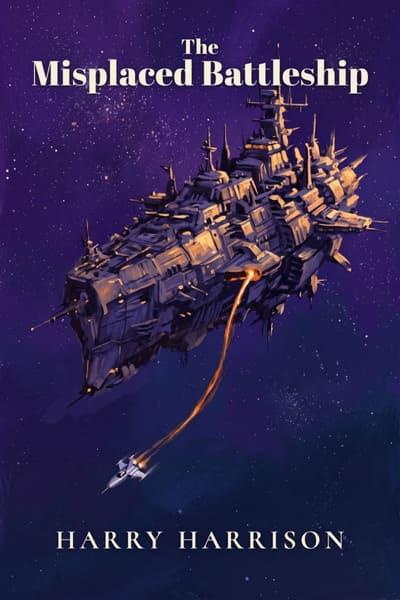
When a massive Warlord‑class battleship—long thought obsolete—appears on the ways of a pacific colony and is soon stolen, Special Corps operative Slippery Jim diGriz races through ports, psionic nets and political chanceries to trap the thieves before a single weapon can rewrite the balance of power. Harrison's prose is brisk, witty and pulpy, mixing caper humour with high‑stakes space opera tension. The story distinguishes itself by turning a classic interstellar manhunt into a study of publicity, deception and the persistent logic of militarism in a technocratic future.
Theme
The persistence and absurdity of militarism and arms escalation even in ostensibly peaceful societies; the moral ambiguity of law enforced by former criminals—‘set a thief to catch a thief’—and the uneasy alliance of cunning and authority; the power of publicity, misdirection and media to shape action (secrecy as an obviousity); and the danger posed by concentrated technological force in the hands of charismatic, single actors.
Setting
A near‑future interstellar civilization dominated by the League and its Special Corps: metropolitan, bureaucratic headquarters on a planetoid; frontier secondary colonies such as Cittanuvo (a peaceful, prosperous world secretly building a warship); cramped ships and automated naval vessels; and the vast, impersonal emptiness of space where a lone battleship can vanish. The social world ranges from league officials and naval officers to opportunistic con men, technicians and off‑world colonists, creating a tone at once official, roguish and frontier‑like.
Historical Content
The narrative is rooted in the post‑World War II / early Cold War imagination—an era obsessed with nuclear weapons, arms races and rapid technological expansion—translated into interstellar terms: automated fleets, battleship diplomacy and league bureaucracies. The story reflects mid‑20th‑century anxieties about rearmament and one‑man power grabs, and it participates in the period's pulp‑and‑science‑fiction culture in which serialized capers and social satire grapple with the consequences of overwhelming technological force.