
About
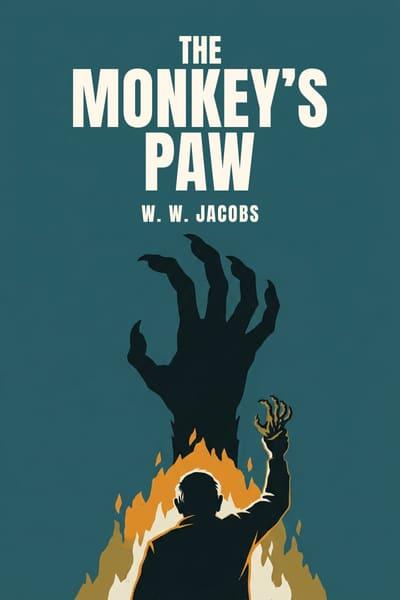
A deceptively domestic parable in which a lower-middle–class English family comes into possession of a mummified monkey’s paw that, they are told, will grant three wishes. Jacobs’ prose is plainspoken yet charged with dry irony and slow-building dread, moving from cosy parlour talk to uncanny consequence. The story endures as a compact, morally sharp meditation on desire and the unforeseen costs of trying to bend fate.
Theme
The unintended consequences of attempting to control fate — wishes granted in ways that bring suffering rather than relief; the corrosive power of grief and longing to override reason and moral caution; and the entanglement of imperial exchange and industrial modernity — how exotic objects and distant service, plus the human cost of factory labour, intrude on ordinary domestic life.
Setting
Primarily a modest suburban/rural English home (Laburnam Villa) and its small parlour, set during cold, stormy weather; the narrative also touches on a nearby factory (the employer ‘Maw and Meggins’) and a cemetery two miles away, with a background of imperial locales (India) invoked through the returned soldier. The social environment is lower–middle–class domesticity intersecting with industrial labour and imperial experience, producing a claustrophobic, quietly uncanny atmosphere.
Historical Content
Set against the atmosphere of late Victorian / early Edwardian Britain, the tale reflects imperial contact (a returning British soldier brings an ‘exotic’ talisman from India) and the social realities of industrial life (a son employed in factory machinery and the firm’s compensation). It engages contemporary currents — fascination with the supernatural and fakirs, skepticism about ‘folk’ magic, and anxieties about technological progress and its human toll — which shape both plot and moral thrust.