
About
A lyrical, mordant portrait of longing and social spectacle, told through the laconic gaze of Nick Carraway as he is drawn into the orbit of the mysteriously wealthy Jay Gatsby. The novel balances elegiac prose with sharp irony as it stages roaring parties, private obsessions, and the disintegration of an intoxicating dream. It reads as both a vivid Jazz Age tableau and a compact moral fable about ambition, identity, and the cost of reinvention.
Theme
The corruption and elusiveness of the American Dream as personal obsession; the collision between old-money entitlement and new-money aspiration and the social barriers that endure; the impossibility of recapturing an idealized past and the danger of living for an illusion; the moral carelessness and social irresponsibility of the privileged, who devastate others while insulating themselves with wealth and status.
Setting
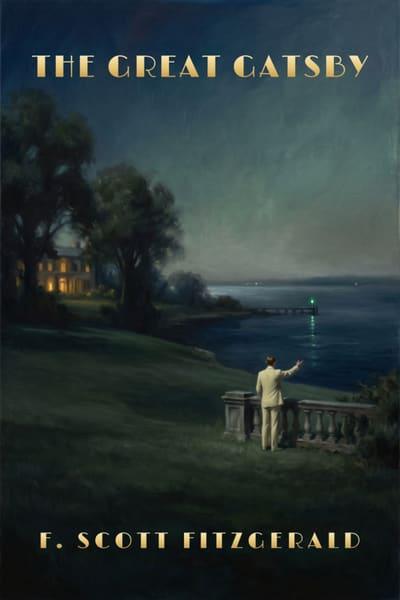
Primarily Long Island’s twin communities of West Egg and East Egg and nearby New York City in the 1920s: ostentatious suburban mansions and manicured lawns face the glitter of urban nightlife, while the narrator’s Midwestern roots provide a comparative, moral viewpoint. The physical world — Gatsby’s palatial, ostentatious house, the glimmering bay and its green light, and the shadowy, industrial margins beyond (implied in the narrative) — mirrors sharp social divisions between nouveau riche, old money, and the working classes.
Historical Content
The story unfolds in post–World War I America during the Roaring Twenties: an era of economic boom, stock-market speculation, mass consumption and conspicuous leisure. Prohibition and the rise of illicit trade, the social mobility of newly wealthy entrepreneurs, and the attendant flouting of traditional class boundaries create a climate of excess and moral ambiguity. The war’s disillusioning aftereffects and the cultural energy of Jazz Age modernity — changing gender mores, celebrity culture, and the cult of surface success — shape the characters’ desires and delusions.