About
Framing political economy as a systematic inquiry, this work investigates how labour, capital, markets, and institutions together produce the annual wealth of nations. The prose is analytic, empirical, and discursive: it moves from close observations of manufacture and trade to sweeping arguments about public finance and commercial policy. Distinctive for its clear articulation of the division of labour, the nature of capital, and a sustained critique of mercantilist practice, the book establishes the principles that shape modern economic thought.
Theme
1) How the division of labour multiplies productive capacity and reorganises social roles; 2) The processes and consequences of capital accumulation, and the distinction between productive and unproductive expenditure; 3) A systematic critique of the mercantile system and an argument for freer trade and market‑driven allocation; 4) The proper functions and limits of the sovereign in taxation, public expenditure, and management of national debt.
Setting
Primarily Great Britain and its commercial world—urban manufactories, ports, and rural estates—extending to European neighbours and overseas colonies (North America, the West Indies, and East India). The narrative alternates between close, often industrial or mercantile scenes (workshops, markets, shipping) and the public sphere of parliaments, sovereign finance, and imperial administration, reflecting the interplay of local production and global trade.
Historical Content
The argument unfolds in late‑18th‑century Britain amid the early Industrial Revolution, expanding Atlantic and Asian trade, and the political turmoil of the American disturbances; it responds directly to mercantilist policy and contemporary debates over tariffs, colonies, and public debt. Intellectual currents include the Scottish Enlightenment and physiocratic and commercial theories; social structures range from landed aristocracy and urban manufacturers to colonial planters and growing merchant capital, all of which shape prescriptions about taxation, trade regulation, and the role of the sovereign.
About the Author
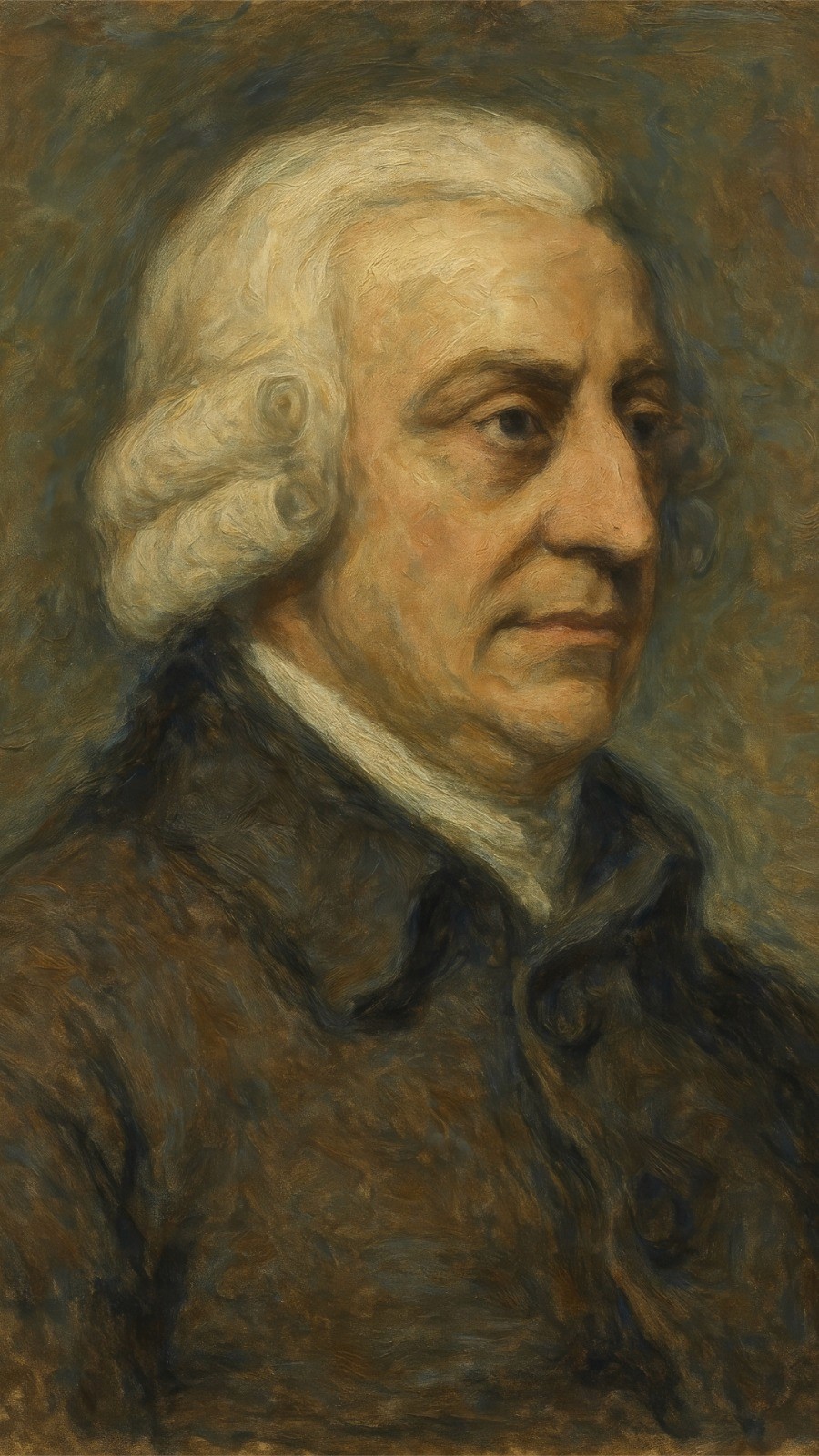
The author writes as a learned Enlightenment scholar with intimate knowledge of British commercial life, colonial trade, and institutional governance. Writing in a measured, evidentiary style, the author repeatedly invokes empirical examples—from pin‑making to overseas commerce—and addresses both technical economic concepts and public policy, indicating a background in moral philosophy and public affairs. The work reflects a mind trained to compare historical practice with theoretical principle and to influence statesmen as well as merchants.
Shares
Genres
Adult
,
Dragons
Pages
0
Pages
First published
Original title
The Wealth of Nations
Series
Language