
About
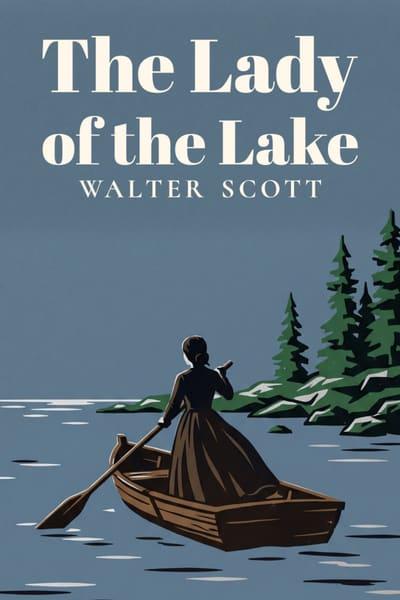
Set in the wild Trosachs and lochs of the Western Highlands, Walter Scott’s The Lady of the Lake is a romantic narrative poem that follows a week of hunt, boat‑borne encounters, and simmering clan conflict. Its tone alternates between vivid, painterly landscape description and brisk chivalric action, with lyrical stanzas that foreground feeling, honor, and revelation. The poem is distinctive for fusing antiquarian historicity and Highland folklore with the Romantic revival of medieval chivalry, shaping enduring images of Scotland in European literature.
Theme
1) The tension between clan honour/feuding and centralized royal justice—how private codes of revenge collide with the law of the crown. 2) Romantic love, concealment, and revelation—disguise, social station, and the testing of identity. 3) Nature as national archive and moral stage—the Highlands’ scenery shapes memory, feeling, and a revived medieval chivalric ethos.
Setting
The action is concentrated around Loch Katrine and the Trosachs pass in the Western Highlands of Perthshire: rugged glens, craggy mountains (Benvenue, Benvoirlich), dark pinewoods, and inland lochs. The world is rural and topographically dramatic, populated by Highland clansmen and their chiefs, Lowland hunters and nobles, and the occasional royal presence; social life is organized by clan loyalties, feuding customs, and the harsh demands of frontier geography. The landscape functions both as a physical theatre for hunts and skirmishes and as a symbolic mirror of Scottish identity and antiquity.
Historical Content
The poem dramatizes early 16th‑century Highland life under the reign of James V (d. 1542), when clan honor, raiding expeditions, and the uneasy relations between Highland chiefs and Lowland authorities structured daily life. Scott composes from the perspective of the early 19th‑century Romantic and antiquarian movement: he draws on contemporary fascination with national origins, second‑sight and folklore, and a revival of medieval chivalric ideals to reinterpret Scottish history and landscape for a British and European readership. Local incidents (raids, stag hunts, and the itinerant king in disguise) and customs—Highland plundering, clan bonds, and belief in prophetic visions—anchor the narrative in concrete social practices of the period.